
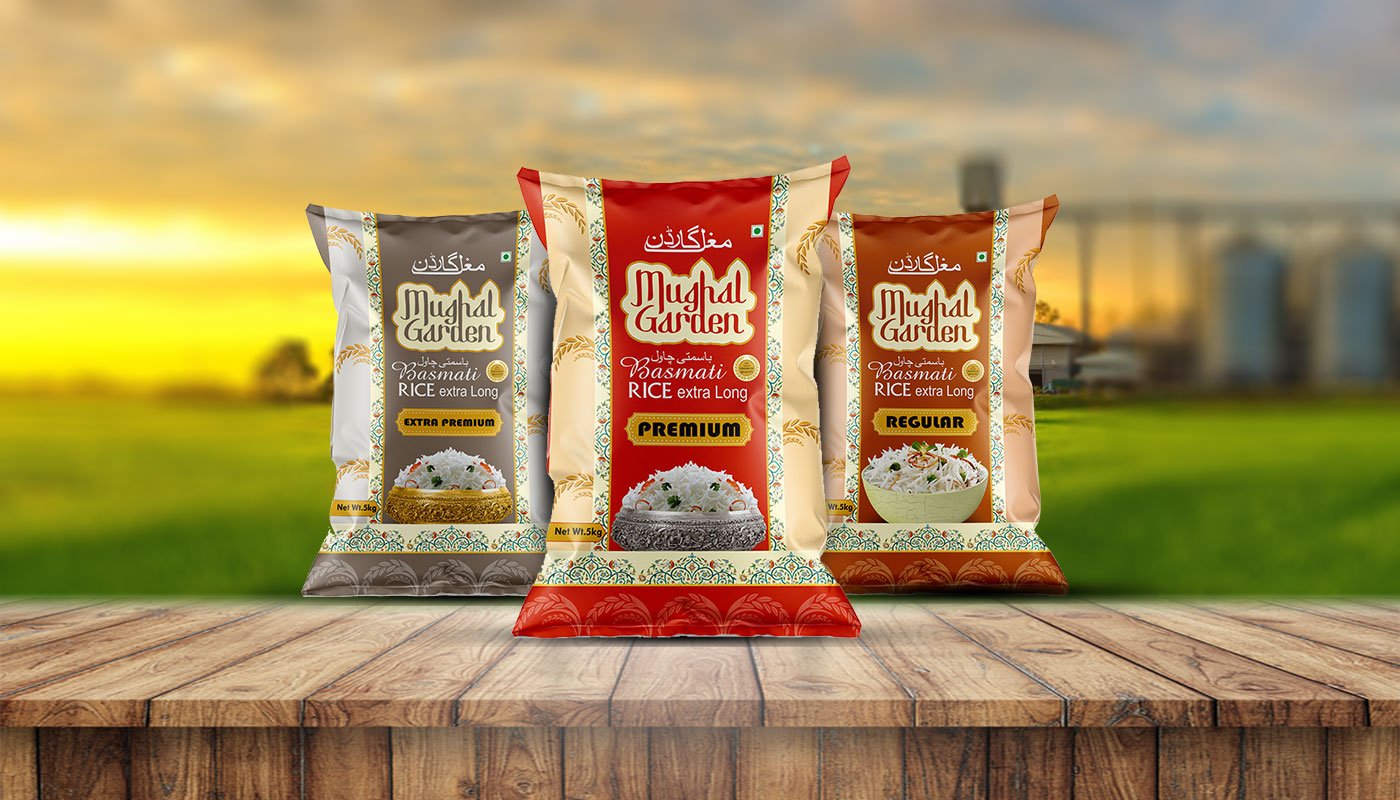
Basmati rice is known as the “king of rice.” Aromatic rice has been cultivated for thousands of years, mainly in the Indian subcontinent and parts of the Middle East. Among the different types of Basmati rice, people consider long grain Basmati rice. An exceptional variety because of its special qualities, versatility in cooking, and cultural importance in different regions. What makes Basmati longer is very special. We need to understand its significance in the light of origins, characteristics, benefits. And the reasons why people love it so much worldwide.
1. The Great History and Heritage of Long Grain Basmati Rice
Farmers have grown Basmati rice in the fertile lands of the Indian subcontinent, particularly in the Himalayas, for thousands of years. The Sanskrit term “Vasmati,” meaning “fragrant” or “aromatic,” derives the term “Basmati,” and literally describes the smell of this rice variety. For over a thousand years, South Asian cuisine and culture, especially in India, have relied on this rice as a significant constituent. Farmers cultivate Basmati rice with a tradition-oriented approach, often passing it through generations of farming, which involves great pride and dedication to their craftsmanship.
The distinct climate and fertile soil of the Himalayan foothills make it the ideal region for Basmati rice plantation. The cool climate and clear mountain waters charged with minerals contribute to the unique quality of the rice. It’s no wonder that because of these qualities, people consider Basmati rice among one of the most sought-after varieties worldwide.
2. Unique Appearance and Cooking Properties
One of the prominent features of long grain Basmati rice is that the grains are longer and slender in comparison to the others. Grains of Basmati rice are twice as long as their width, and upon cooking, these grains tend to elongate highly. As a result of this characteristic, the Basmati rice develops light and fluffy with separate individual grains. Cooked, it grows about 2 to 3 times the size, making this Basmati a good delicacy without any sticky property; this makes long grain Basmati the perfect variety for making pilafs, biryanis, and even for use in other side dishes.
The main difference between Basmati and other types of rice is their cooking properties. Other types, such as short-grain and medium-grain, tend to become sticky when cooked and even clump together. Basmati rice will remain separate, fluffy. Which makes it useful for many dishes, enhancing not only the taste but also its visual appeal.
3. Aromatic Quality
It has a natural, fragrant smell, another unique quality of long grain Basmati rice. What makes Basmati rice truly outstanding is its nutty, floral smell. The fragrance of 2-acetyl-1-pyrroline, a naturally occurring compound that develops in the rice as it matures, gives Basmati its aroma. Freshly cooked Basmati rice can fill a room with the warm, comforting smell of freshly cooked rice. One of the major reasons why many cultures have treasured rice for so long is that it remains an integral part of most traditional cuisines.
The fragrance of Basmati rice also elevates the flavors of the dishes in which it is used to a higher note. Be it biryani made with spices and rich flavor or a mere plate of plain rice, the fragrance of the rice goes well with the spices and ingredients of the dish. This aromatic feature is missing in many other kinds of rice.
4. Versatility in Cooking
Long grain Basmati rice is highly versatile in the kitchen and becomes suitable for almost all types of dishes because of its delicate flavor and texture. Chefs in South Asia use it in cooking, especially in the preparation of dishes like biryani, pilaf, and pulao, in which they generally cook the rice with spices, herbs, and meats.. Because of its ability to absorb the flavor of the seasonings without being sticky or even fluffy, rice is a good companion for flavorful and aromatic dishes.
Chefs now use Basmati rice in a great number of Mediterranean, Middle Eastern, and Western dishes, in addition to traditional South Asian cuisine. You can add it to salads, stuff vegetables with it, or even use it as a bed for grilled meats and vegetables. Long grain Basmati rice makes a perfect accompaniment, or as a base in any dish.
5. Health Benefits of Long Grain Basmati Rice
In addition to its delicious taste, long grain Basmati rice is also rich in health benefits. Which make it an exclusive choice of people who require healthy food options. One of the most crucial health benefits associated with Basmati rice is that it contains a lower glycemic index as compared to any other type of rice. Glycemic index is the level at which it increases the sugar level in blood. High GI rice can result in fast blood sugar spikes, while rice with lower GI releases the energy in a more sustained manner.
Basmati rice, especially the brown one, is low GI. Hence, it is ideal for the diabetic or someone looking to regulate his or her own blood sugar. The rate at which low-GI foods digest permits the delivery of gradual energy all day long. In addition. The high fiber content in brown Basmati rice promotes healthy digestion and gut health.
6. Cultural and Symbolic Importance
Long grain Basmati rice is a very culturally significant crop in many South Asian and Middle Eastern cultures. It is always used in religious ceremonies, weddings. And family gatherings as it symbolizes hospitality and prosperity. The preparation and sharing of Basmati rice is a tradition passed down from generation to generation. Many families consider cooking Basmati rice an art, as everyone has his or her own way of preparing it. So that the grains are fluffy and not mushy.
Basmati rice has a central position in festivals and special occasions in India. Without the long, fragrant grains of Basmati rice, Biryani, often a grand celebration food, is not complete. Often, sharing a meal made from Basmati rice signifies unity, love, and the importance of family and tradition.
7. Sustainability and Environmental Impact
Cultivation of long grain Basmati rice is a long tradition with agricultural practices often organically oriented to be friendly towards the environment. Most of the farmers in the Himalayan regions still employ the natural cultivation practices. And are more cautious in avoiding the use of excessive pesticides and synthetic fertilizers. Such methods of agriculture ensure better environment care and the food produced without these chemicals, healthier for consumers to consume.
